The Coachella Valley's climate is one of its most compelling selling points — and one of its most common points of concern for prospective buyers not yet familiar with desert living. Understanding the valley's distinct seasons, temperature extremes, and the role weather plays in the real estate cycle is essential context for anyone considering a purchase here.
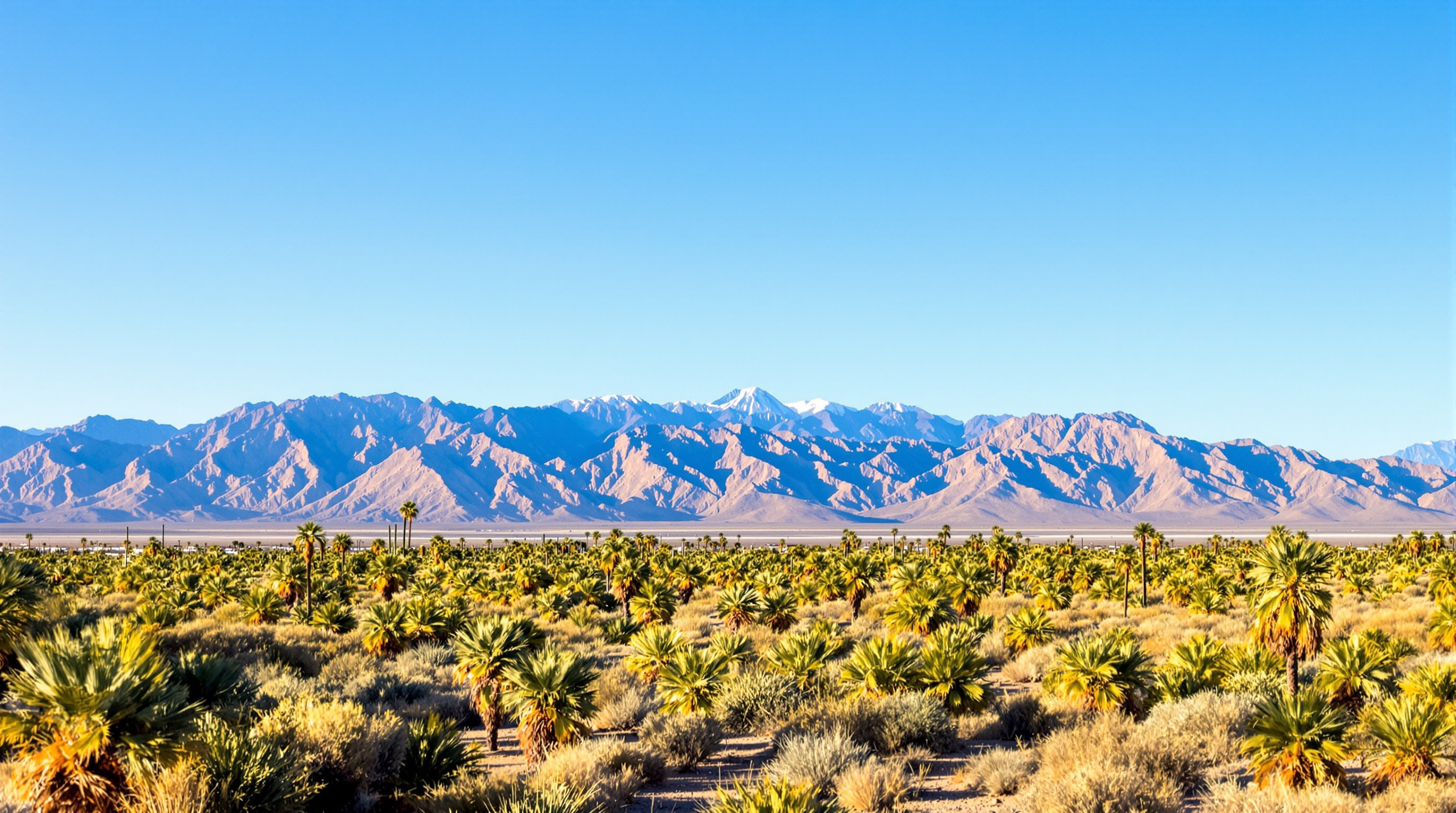
The Coachella Valley averages roughly 350 days of sunshine per year — one of the sunniest inhabited areas in the continental United States
The Seasons of the Desert
Peak Season: November — April
The desert's peak season runs roughly from November through April, when daytime temperatures consistently range from 70°F to 85°F — conditions most people consider ideal for outdoor recreation, dining al fresco, and enjoying the valley's many attractions. This is when seasonal residents (snowbirds from colder climates) are present in maximum numbers, restaurants are at full capacity, events are in full swing, and the valley's social and cultural calendar is richest.
Real estate transactions are most active during peak season, when buyers are typically in residence or visiting the valley. Open houses are more heavily attended, and competition for the most desirable properties can be significant.
Summer: June — September
Desert summers are genuinely extreme. Daytime high temperatures regularly exceed 110°F, and temperatures above 115°F are not uncommon during heat spikes in July and August. While this extreme heat keeps many seasonal residents away and closes some service businesses during the summer months, year-round residents develop strategies for managing summer: early morning activity, pool-centered afternoons, and the natural air conditioning of the mountains for those willing to drive to higher elevations.
Summer also brings the valley's monsoon season (roughly July through September), when Gulf of Mexico moisture occasionally penetrates the desert, producing dramatic afternoon thunderstorms and brief but intense rainfall. Flash flooding can be a concern in certain areas, particularly near canyons and natural washes.
Spring and Fall Transition Seasons
October and November, and again in March and April, are transition months that offer some of the valley's most pleasant weather — warm but not extreme, with lower humidity than winter and fewer crowds than peak season. Many valley veterans consider October the best month in the desert: temperatures in the 90s, reduced traffic, and the anticipation of the coming season make it a wonderful time to be in residence.
Wind in the Desert
The Coachella Valley is no stranger to wind. The San Gorgonio Pass at the valley's western end channels strong winds from the coast into the desert, and spring (March through May) is the primary wind season. Wind can make outdoor activities challenging and creates dust storms (haboobs) that reduce visibility significantly. The valley's famous wind farms are a testament to the reliability and intensity of desert wind energy.
According to the National Weather Service, the Palm Springs area averages less than 5 inches of rain annually — among the lowest of any inhabited area in the continental United States — and roughly 350 days of sunshine per year.
Climate and Property Decisions
Climate impacts real estate decisions in the desert in several concrete ways. Properties with west-facing exposures can experience punishing afternoon heat in summer. Pool orientation matters — east-facing pools avoid afternoon sun and stay cooler. Homes with good insulation and high-efficiency cooling systems are significantly more comfortable and economical to operate during summer. And the elevation of a property — even a few hundred feet above the valley floor — can mean measurably cooler temperatures.